
SEO for beginners is one of the most searched topics by people who want to grow their website traffic, improve Google rankings, and build long-term online visibility. Whether you own a business website, an eCommerce store, or a digital marketing agency, understanding SEO can help you attract organic traffic without relying completely on paid advertisements.
Search Engine Optimization, commonly known as SEO, is the process of improving your website so that search engines like Google can understand your content better and rank it higher for relevant searches. In today’s competitive digital world, SEO is no longer optional. It has become an essential strategy for businesses that want sustainable online growth.
In this complete beginner-friendly guide, you will learn how SEO works, why it matters, and the most important SEO practices you should follow to improve your website rankings.
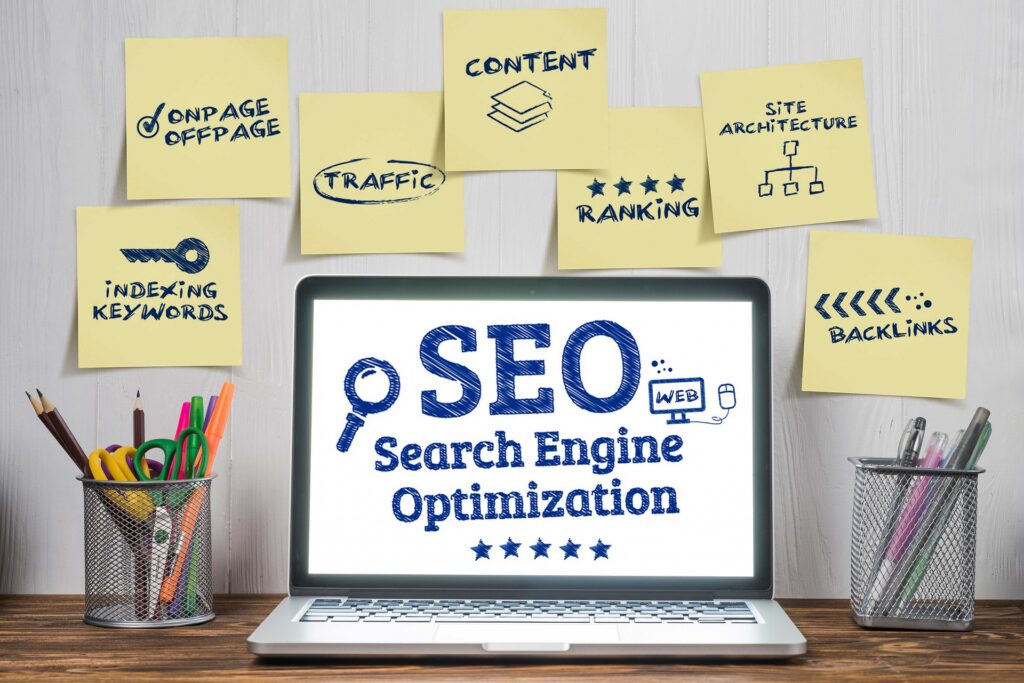
What Is SEO?
SEO stands for Search Engine Optimization.
It is the process of optimizing your website content, structure, and technical setup to improve visibility on search engines like Google, Bing, and Yahoo.
Whenever users search for something online, Google tries to show the most relevant and helpful pages. SEO helps search engines understand that your content is valuable enough to appear in those search results.
For example, if someone searches for “best digital marketing agency” or “SEO for beginners,” Google ranks websites based on:
- Relevance
- Content quality
- User experience
- Website authority
- Technical performance
The better your SEO strategy, the higher your chances of ranking on the first page.
Why SEO Is Important for Beginners
Many beginners focus only on social media or paid advertisements, but SEO provides long-term and sustainable results.
Here are some major reasons why SEO is important:
SEO for Beginners and Organic Growth Guide
SEO helps websites attract free traffic from search engines without paying for every visitor.
Builds Trust and Credibility
Users often trust websites that appear on the first page of Google.
Better User Experience
SEO improves website speed, mobile responsiveness, and content structure, creating a better experience for users.
Long-Term SEO Results for begginers
Unlike paid ads, SEO can continue driving traffic for months or even years after content is published.
How SEO For Beginners Work
Before learning SEO strategies, it is important to understand how search engines work.
Search engines mainly follow three steps:
Crawling
Google bots scan websites and discover pages across the internet.
Indexing
After crawling, Google stores and organizes the pages in its database.
Ranking
Google analyzes multiple factors and decides which pages should appear first for a search query.
SEO helps optimize your website for all three processes.
Types of SEO Beginners Should Know
SEO is mainly divided into three categories.
1. On-Page SEO for beginners
On-page SEO focuses on optimizing the content and structure of your web pages.
Important on-page SEO factors include:
- Keyword optimization
- SEO-friendly headings
- Internal linking
- Meta titles and descriptions
- Image optimization
- High-quality content
For example, if your target keyword is “SEO for beginners,” it should naturally appear in:
- The title
- First paragraph
- Headings
- Meta description
- URL
However, avoid keyword stuffing because Google prefers natural and user-friendly writing.
2. Off-Page SEO for beginners
Off-page SEO focuses on increasing your website’s authority and trustworthiness.
The most important factor here is backlinks.
Backlinks are links from other websites pointing toward your website. Google sees backlinks as signals of credibility.
Some beginner-friendly off-page SEO strategies include:
- Guest posting
- Business directory submissions
- Social media sharing
- Collaborating with bloggers
- Creating shareable content
Quality backlinks usually improve rankings faster than low-quality links.
3. Technical SEO for beginners
Technical SEO ensures that your website functions properly for both users and search engines.
Important technical SEO factors include:
- Fast loading speed
- Mobile responsiveness
- Secure HTTPS connection
- XML sitemap
- Clean website structure
- Fixing broken links
Even high-quality content may struggle to rank if technical SEO is poor.
Keyword Research: The Foundation of SEO
Keyword research is one of the most important parts of SEO.
Keywords are the search terms people type into Google.
As a beginner, you should focus on:
- Low-competition keywords
- Long-tail keywords
- High-intent search queries
Examples include:
- SEO for beginners
- Beginner SEO guide
- How SEO works
- SEO basics
- On-page SEO tips
You can use tools like:
- Google Keyword Planner
- Ubersuggest
- Ahrefs
- SEMrush
Long-tail keywords are easier to rank for and usually have better conversion potential.
Content Is the Core of SEO For Beginners
Google prioritizes websites that provide valuable and helpful content.
That is why content marketing and SEO work together.
As a beginner, focus on creating:
- Informative blog posts
- Step-by-step tutorials
- Beginner guides
- FAQs
- Problem-solving content
Your content should answer user queries clearly and naturally.
For example, users searching for “SEO for beginners” want:
- Simple explanations
- Practical SEO tips
- Actionable strategies
- Easy-to-understand guidance
The more useful your content is, the better your chances of ranking higher.
Important SEO Tips for Beginners
Here are some practical SEO tips beginners should follow.
Focus on Search Intent
Lorem ipsum dolor sit amet, consectetur adipiscing elit. Ut elit tellus, luctus nec ullamcorper mattis, pulvinar dapibus leo.
Write High-Quality Content
Avoid copied or thin content. Original and useful content performs better on Google.
Optimize Heading Structure
Use proper H1, H2, and H3 tags to improve readability and SEO structure.
Improve Website Speed
A fast-loading website improves both user experience and rankings.
Use Internal Linking
Link related blogs and service pages within your website to improve navigation and topical authority.
Optimize Images
Compress images and add proper ALT text with related keywords naturally.
Keep Updating Content
Refreshing old content helps maintain rankings and relevance.
How Long Does SEO Take?
One of the most common questions beginners ask is:
“How long does SEO take to work?”
The answer depends on:
- Keyword competition
- Website authority
- Content quality
- Backlinks
- SEO consistency
For low-competition keywords, websites may start seeing improvements within 3 to 6 months.
Competitive keywords usually take longer.
The key to SEO success is consistency and continuous optimization.
Final Thoughts
SEO for beginners may seem confusing at first, but once you understand the fundamentals, it becomes much easier to implement effectively.
As a beginner, focus on:
- Creating valuable content
- Targeting the right keywords
- Improving user experience
- Maintaining technical website health
- Building authority gradually
SEO is not about shortcuts or tricks. It is about helping users find the most relevant and useful information online.
If you stay consistent with your SEO efforts, your website can generate long-term organic traffic, leads, and business growth without depending entirely on paid advertising.
Whether you run a blog, an eCommerce website, or a digital marketing agency, learning SEO is one of the smartest investments you can make for long-term online success.