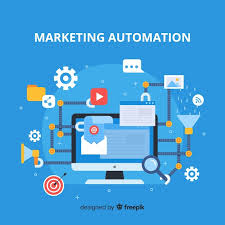
Marketing automation has completely transformed the way businesses attract, engage, and convert customers in today’s digital-first world. From sending personalized emails to tracking customer behavior and improving lead nurturing, automation helps brands save time while increasing efficiency and revenue.
Businesses today are no longer relying only on manual marketing efforts. Instead, they are using smart automation tools to streamline workflows, improve customer experiences, and generate higher ROI. Whether you are a startup, eCommerce brand, or enterprise company, understanding automation can help you build a scalable and data-driven marketing strategy.
What is Marketing Automation?
It refers to the use of software and technology to automate repetitive marketing activities such as email campaigns, social media posting, customer segmentation, lead nurturing, and analytics tracking.
The primary goal of automation is to improve operational efficiency while delivering personalized experiences to customers at every stage of the buyer journey.
Key Features Of Marketing Automation
- Automated email workflows
- Lead scoring and segmentation
- CRM integration
- Customer journey tracking
- Social media scheduling
- Performance analytics
- Personalized customer communication
Why Marketing Automation is Important for Businesses
Modern consumers expect personalized experiences and instant communication. This is where it becomes essential for businesses aiming to scale effectively.
Benefits of Automation
1. Saves Time and Resources
One of the biggest advantages of automation is that it eliminates repetitive manual tasks. Businesses can automate email campaigns, follow-ups, and reporting processes, allowing teams to focus on strategy and creativity.
2. Improves Lead Nurturing
It enables businesses to nurture leads based on customer behavior and interactions. This helps in delivering relevant content at the right time.
3. Enhances Customer Experience
Personalized communication through automation increases customer engagement and satisfaction. Customers receive tailored recommendations, emails, and offers based on their interests
4. Increases Conversion Rates
Automated campaigns ensure that no lead is missed. Businesses can optimize customer journeys and improve conversions through data-driven targeting
5. Provides Better Analytics
With its tools, businesses can track campaign performance, customer engagement, and ROI more effectively.
How Marketing Automation Works
It works by collecting customer data and triggering automated actions based on predefined conditions.
For example:
- A user downloads an eBook
- The system automatically sends a welcome email
- The lead is added to a segmented email list
- Follow-up emails are triggered based on user behavior
This entire process happens automatically using automation software.
Types of Marketing Automation
Email Marketing Automation
Email automation allows businesses to send personalized emails based on customer actions, purchase history, or engagement levels.
Social Media Automation
Businesses can schedule posts, automate responses, and track engagement using automation platforms.
Lead Generation Automation
Marketing automation tools help capture and qualify leads through forms, landing pages, and automated workflows.
CRM Automation
CRM-based automation improves customer relationship management by organizing customer interactions and sales pipelines.
Best Marketing Automation Tools
There are several popular tools available for implementing automation strategies.
HubSpot
A widely used platform offering CRM, email automation, analytics, and lead management features.
Mailchimp

Popular for email automation and beginner-friendly campaign management.
ActiveCampaign
Known for advanced automation workflows and customer experience automation.
Marketo
An enterprise-level automation platform designed for large businesses.
Challenges in Marketing Automation
While automation offers numerous benefits, businesses may face some challenges during implementation.
Common Challenges
- Choosing the right automation platform
- Managing customer data effectively
- Creating personalized content at scale
- Avoiding over-automation
- Integrating tools with existing systems
Proper strategy and continuous optimization are important for successful automation implementation.
Marketing Automation Best Practices
Focus on Customer Segmentation
Segment your audience based on demographics, behavior, and interests for better personalization.
Create Valuable Content
It works best when combined with high-quality and relevant content.
Track Performance Metrics
Monitor KPIs such as open rates, click-through rates, conversions, and customer retention.
Optimize Workflows Regularly
Continuously improve your automation workflows based on data insights and customer behavior.
Future of Marketing Automation
The future of marketing automation is driven by AI, machine learning, and predictive analytics. Businesses are increasingly using automation to create hyper-personalized customer experiences.
As technology evolves, marketing automation will continue to become more intelligent, efficient, and customer-centric.
Conclusion
It is no longer optional for businesses looking to grow in a competitive digital landscape. It helps brands improve efficiency, personalize customer experiences, and increase conversions through data-driven strategies.
By implementing the right automation tools and workflows, businesses can build stronger customer relationships while scaling their marketing efforts effectively.